
The Government of Canada has announced more than $41 million in funding through the Canadian Institutes of Health Research (CIHR) to advance innovative cancer prevention research across the country. These investments will support teams working to reduce cancer risk, strengthen early detection and stop cancer before it starts.
At BC Cancer, three research teams have been awarded $2 million over five years through funding provided by the CIHR and a group of industry partners.
Early and sustained investments from the BC Cancer Foundation helped position these researchers to compete for national funding — accelerating discovery and translating research into real-world cancer prevention. Together, these projects reflect how donor generosity fuels progress in prevention and helps shape the future of cancer care.
Congratulations to the BC Cancer researchers and teams whose leadership in innovation have earned this significant national recognition.
Project: Bridging gastric cancer biology to prevent progression of pre-cancerous gastric lesions
Leader Researcher: Dr. Isabella Tai

In this project, the team will assemble tissue samples of normal stomach, premalignant lesions, and the immune cells surrounding them from the same patient to find the biological processes and proteins that are responsible for making premalignant cells become malignant in the stomach.
The anticipated outcomes of this project are a clearer understanding of how the different types of cells in the stomach interact during the development of stomach cancer, and how we can prevent premalignant lesions in the stomach from becoming cancerous. For the patient, this would mean that doctors would actively treat pre-malignant lesions to prevent cancer from developing rather than treating the cancer itself.
Project: Ultra-processed foods and cancer: advancing evidence on the biological mechanisms linking the gut microbiome, ultra-processed foods and colorectal cancer (UPFront)
Lead Researcher: Dr. Rachel Murphy
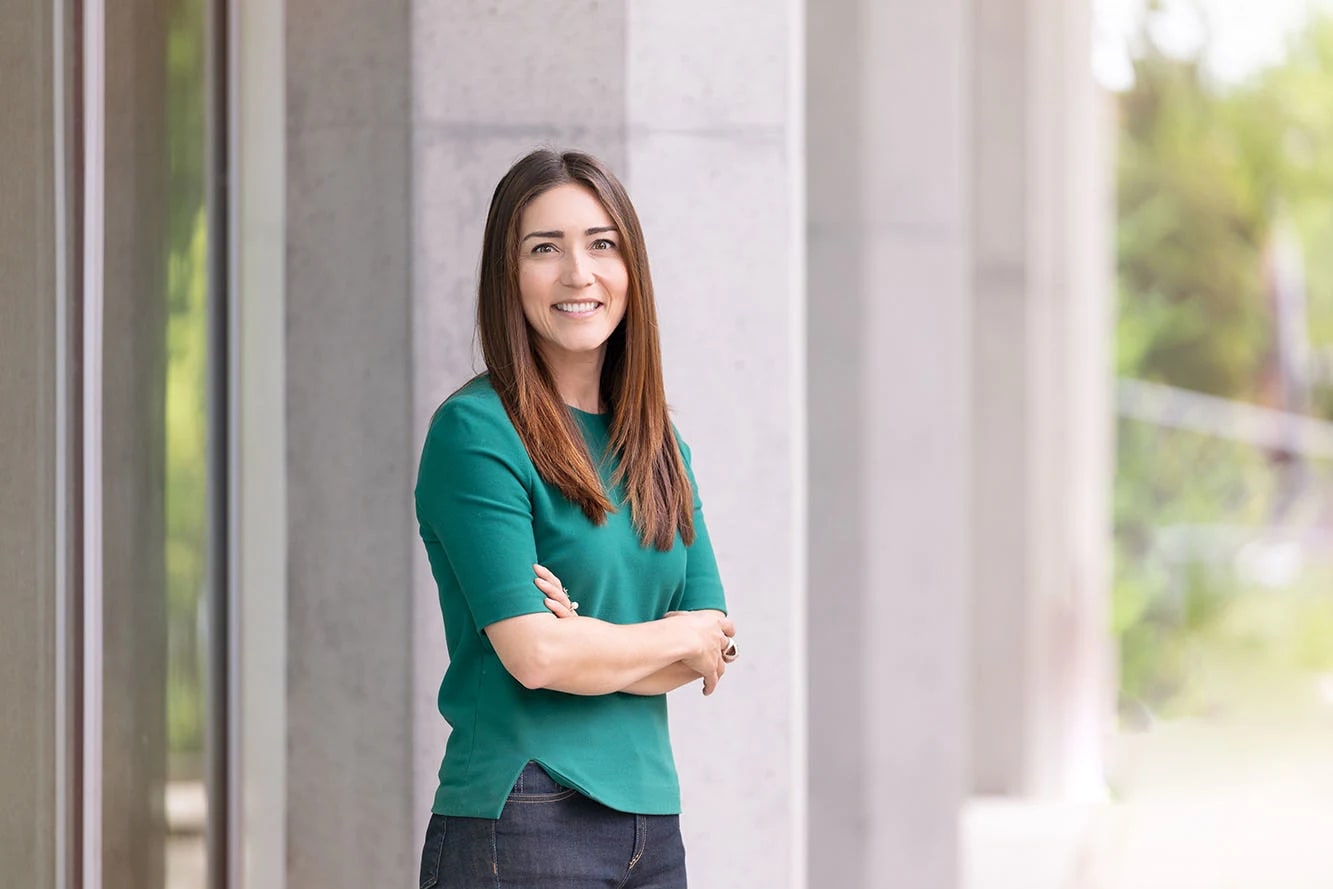
A number of studies suggest that people who eat more ultra-processed foods (UPFs) have a higher risk of cancer, including colorectal cancer, but it is unclear whether the risks are due to added ingredients (additives), nutrients (high fat, salt and sugar) or both. The reasons why UPFs increase colorectal cancer are not well understood but may be due to changes in the type and number of bacteria in the gut that change biological pathways leading to cancer.
In this study, Dr. Murphy and team will test the impact of UPFs with or without additives and with or without high fat, salt and sugar on the gut microbiome and markers of metabolism. This study spans cells to society to provide new evidence on the negative health impacts of UPFs.
Project: Biologic basis of contracEptive choice Associated ovarian Cancer risk: from populations through cells to actiON
Lead Researchers: Drs. David Huntsman, Gillian Hanley and Wendy Norman
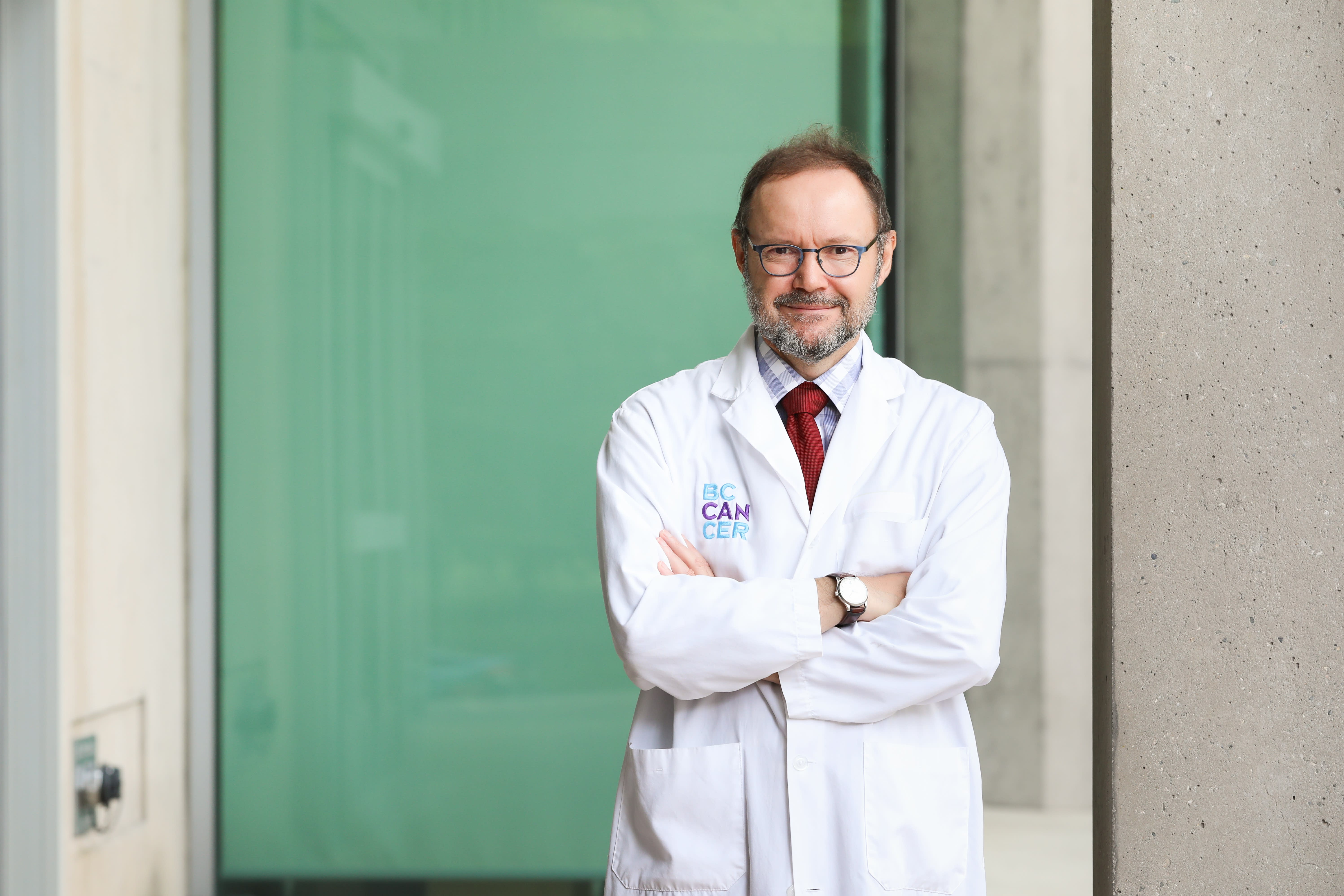
High-grade serous cancer (HGSC) is the most common and deadliest form of ovarian cancer. As there is no effective way to screen for it, finding ways to prevent it is especially important. Birth control pills (combined oral contraceptives or COCs) cut the risk of HGSC in half when used for five or more years but contraceptive use is rapidly shifting: fewer people are using COCs, and more are choosing hormonal intra-uterine devices (IUDs).
The team will study how COCs, IUDs, and newer estrogen-free pills (like drospirenone) influence cell growth, DNA damage and inflammation. They will also use large-scale population data to model how changing contraceptive trends may affect ovarian cancer rates in the future. By uncovering how certain contraceptives may help prevent ovarian cancer, and working with end knowledge users and national partners like the Society of Obstetricians and Gynecologists of Canada, Action Canada for Sexual Health and Rights, BC Women’s Hospital and Health Centre, Ovarian Cancer Canada and Society of Gynecologic Oncology of Canada, BEACON aims to support the development of tools and information that can shape future contraception options that also reduce cancer risk.
Read more on the Gynecologic Cancer Initiative blog and tune in to the GOSH podcast, where the Principal Investigators share their vision and the anticipated impact of the BEACON program.
This article has been adapted from a version originally post by BC Cancer.


