AI-Powered Clinical Trial Brings Hope to Prostate Cancer Patients
February 3, 2026
Found in BC Cancer - Vancouver Island, Innovation, News, Radiation Oncology
BC Cancer is setting new standards in cancer care, bringing hope and breakthrough treatments to patients across British Columbia
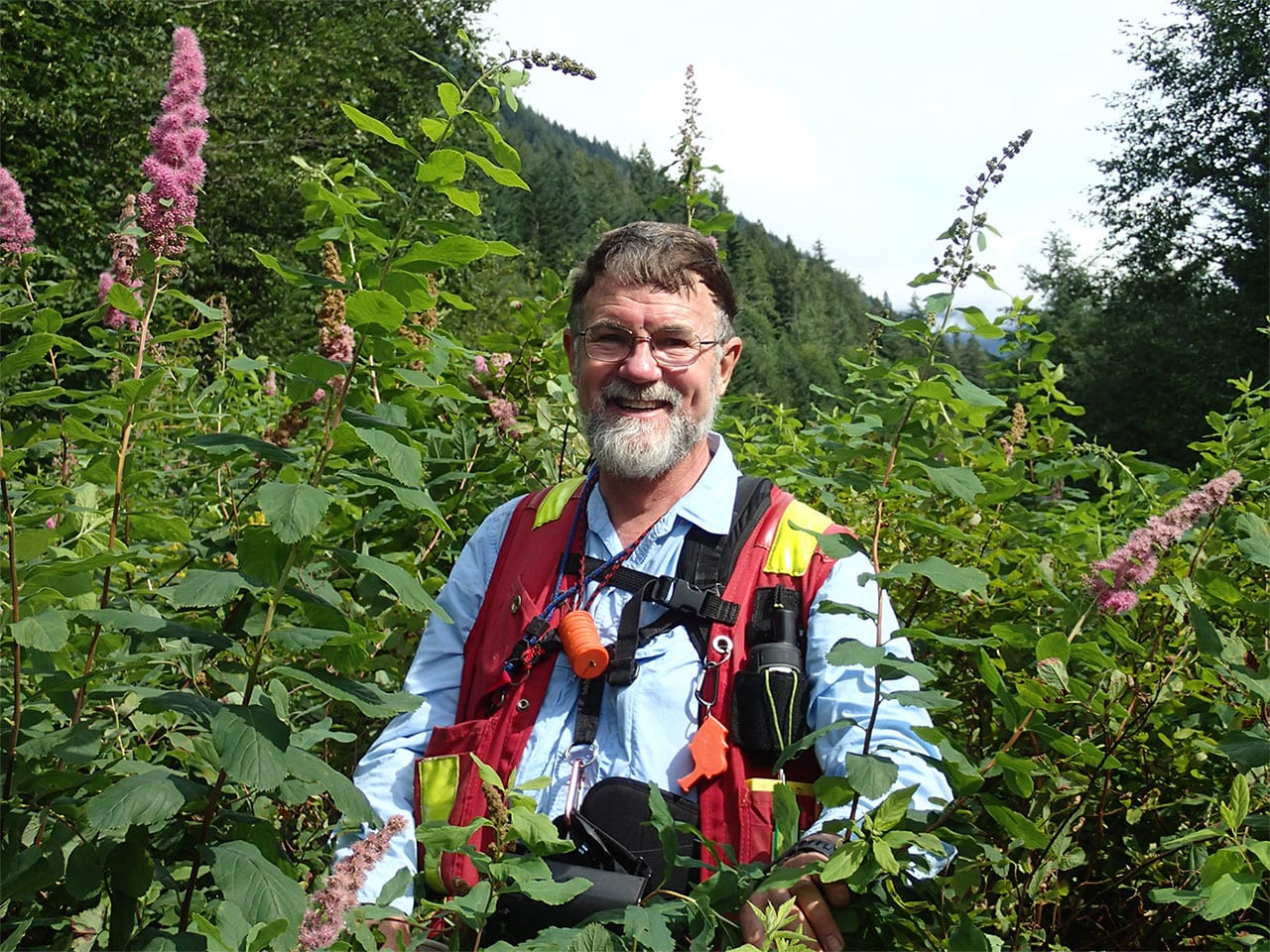
For Mike Miles, professional geoscientist specializing in the study of river processes, facing prostate cancer was a challenge unlike any other. But thanks to the groundbreaking ADAPT-25 precision radiation clinical trial recently launched at BC Cancer – Victoria, Mike found hope in scientific innovation and in the compassionate care of his medical team.
Made possible by BC Cancer Foundation donor support, the trial is testing whether just two doses of advanced, AI-guided precision radiation are effective in treating curative prostate cancer — meaning the cancer has not spread beyond the prostate. This B.C.-led innovation could transform prostate cancer care, by reducing both the number of necessary treatments and the severity of toxic side effects.
Finding Hope in Science and Compassion
Mike’s journey began with the uncertainty and fear familiar to anyone facing a cancer diagnosis.
“It was scary. I’ve lost friends to cancer and watched others struggle with harsh side effects,” he recalls. Drawing on his scientific background, Mike researched numerous potential treatments, determined to make informed choices about his care.
While surgery is an option for some prostate cancer patients, it can be challenging for older individuals to tolerate. With the majority of prostate cancer cases diagnosed in people over 70, advances in non-invasive treatments like precision radiation are essential for improving outcomes and quality of life.
But it wasn’t just science that guided Mike, it was the people at BC Cancer and supporting physicians.
“Drs. Lisa Billsberger, Stacy Miller, John Kinahan, Abe Alexander — all provided compassionate and knowledgeable care. BC Cancer goes out of its way to make things friendly, from the greeters at the front door to the staff who take time to answer all your questions. I found it a surprisingly human experience in a busy system.”
A pivotal moment came when Mike’s oncologist, Dr. Stacy Miller, who also serves as BC Cancer – Victoria’s executive medical director, told him about the newly opened ADAPT-25 trial.
“I was excited to be part of something innovative. The trial felt like a game changer. Following treatment, my Prostate-Specific Antigen (PSA) levels dropped almost immediately, and while I had some fatigue, the side effects were minimal. If this works, it means I’ll have spent less time in treatment and more time living life.”
What is Prostate-Specific Antigen (PSA)? PSA is a protein produced by cells in the prostate gland. PSA levels are measured through a blood test to help detect and monitor prostate cancer.
Mike also benefitted from the PSMA PET scanner—a cutting-edge imaging technology that detects with remarkable precision when prostate cancer has spread. Previously only available in Vancouver, this technology is now at BC Cancer centres in Victoria and Kelowna thanks to BC Cancer Foundation funding.
Dr. Alexander on ADAPT-25

ADAPT-25 is led by BC Cancer – Victoria radiation oncologist Dr. Abraham (Abe) Alexander, whose research focuses on pushing the boundaries of cancer care to deliver better outcomes.
Less than five years ago, the standard treatment for curative prostate cancer involved five to eight weeks of daily radiation — up to 40 doses. Thanks to a previous clinical trial co-led by Dr. Alexander, this was reduced to just five treatments using a form of high-precision radiation called Stereotactic Ablative Radiotherapy (SABR).
What is Stereotactic Ablative Radiotherapy (SABR)? SABR delivers high-powered radiation with pinpoint precision. This minimizes damage to healthy tissue and shortens treatment timelines.
Dr. Alexander saw an opportunity to refine treatment even further using the power of artificial intelligence (AI). His team worked with an industry partner to develop a custom AI algorithm that can adapt SABR treatments to daily changes in a patient’s body, guiding treatment with greater precision.
“Seemingly small changes, like a full bladder or shifts in the digestive tract, make a tremendous impact when we’re planning radiation. With AI, we’re now able to provide adaptive radiation to our patients, which means less exposure to healthy tissues and, ultimately, a gentler experience for those in treatment.”
Interest in ADAPT-25 has been strong since the trial launched in September 2025, says Dr. Alexander. Ten participants are already enrolled, with nearly as many in the process of joining. It’s still early in the trial, but patients have so far experienced only mild, short-term side effects. This summer, the trial will expand to BC Cancer centres in Surrey and Abbotsford, bringing this precise, innovative treatment to more families across the province.
Looking Forward

Mike will continue to be monitored over the next five years with regular PSA tests to ensure his levels remain healthy.
As a small business owner, stepping back to focus on his health was stressful. Now, knowing his energy is steadily returning brings comfort — as does knowing Dr. Alexander is just a phone call away.
As Mike looks forward to more days spent exploring and living life to the fullest, his story is a reminder that every breakthrough starts with a community that believes in a better future. With the support of BC Cancer Foundation donors, new research and technologies are rapidly changing the landscape of cancer care, bringing hope to thousands of families each year.

Help Power the Next Breakthrough
Your support fuels innovative research, bringing more precise treatments to patients on the Island — and across B.C.
Donate Now