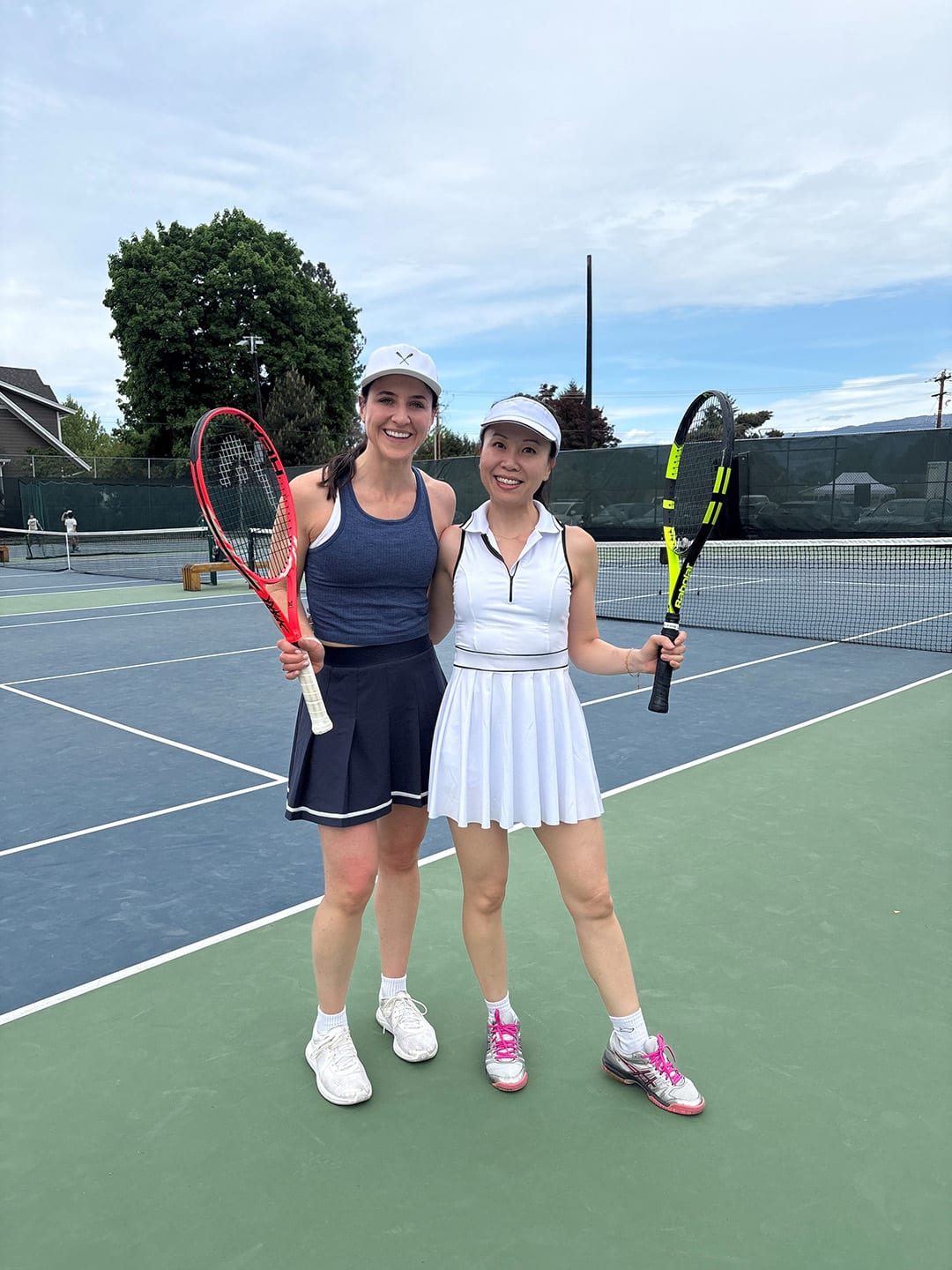
Workout to Conquer Cancer 2026 Mylestone Award: Colleen Franks and Surj Sandher of Conquistadors of Cancer
June 11, 2026
Found in Breast Cancer, General, Oral Cancer, Workout to Conquer Cancer

‘When the going gets tough, the tough get going.’ Few exemplify this famous saying more powerfully than Colleen Franks and Surj Sandher.
When confronted by cancer diagnoses within their own families, they refused to stand on the sidelines. Instead, they turned adversity into action, galvanizing a community by channeling resilience, friendship and physical challenges into a force for change.
As recipients of the second annual Mylestone Award — which recognizes a team or person(s) that embodies the heart, soul and spirit of Workout to Conquer Cancer — Colleen and Surj are being honoured for their over a decade of extraordinary leadership in which they rallied the Conquistadors of Cancer to raise almost $800,000 for the BC Cancer Foundation.

Beginning in 2012 as a Tour de Cure team, the Conquistadors of Cancer have continued to push through physical limits together while fundraising to advance cancer research and care in B.C. through Workout to Conquer Cancer and other cycling challenges.
When asked what keeps them motivated after all these years, both are quick to credit each other.
“That lady right there,” says Surj gesturing to Colleen, who quickly adds, “I was going to quit when I moved to the Okanagan, but Surj wouldn’t let me. And so here I am six years later.”
Their at-its-peak 40-member strong team agree: Colleen and Surj’s positivity and sense of selfless purpose has been instrumental in keeping them going and focused on improving outcomes for British Columbians facing cancer.

Their nominators say, “Surj and Colleen remind everyone that this event is about far more than fitness. It’s about perseverance, community, courage, and fighting for a future where fewer families are impacted by cancer. Their leadership has created a lasting ripple effect over the past decade, inspiring others to step up, stay active, support cancer research, and believe in the power of collective action.”
Surj was diagnosed with oral cancer in 2009, and his wife, Hardeep, has faced two breast cancer diagnoses. Colleen lost her stepmom to lung cancer in 2015. Since then, both have seen firsthand how philanthropy can advance cancer care.
“I’m a dental hygienist, I meet people all the time who have cancer,” says Colleen. “I had a patient come in with the same lung cancer that my stepmom had — but with new treatment, her tumour is shrinking. It’s very exciting to see where we are 10 years later. The hope is my patient’s outcome will be better, in part because of what we’re doing.”
In the years between Hardeep’s two breast cancer diagnoses, Surj says he too has seen treatment become more precise with a focus on reducing side effects for patients.
“BC Cancer is a leader in breast cancer research. We see the results of our support, and we want the funds we raise to stay in B.C. This is why we do Workout to Conquer Cancer.”
With Surj in Surrey and Colleen in the Interior, they continued to motivate their team to work out together, while apart, through a WhatsApp group to keep each other moving during this year’s May-long challenge.
Despite not being much of a “social media guy,” Surj definitely took the lead this year, says Colleen. All month long, he regularly posted Instagram updates, often out-of-breath during or just after completing his daily 30-minute workouts.
“My daughter’s friends were messaging her and saying, ‘Do you see what your dad is doing? It’s crazy! So, it definitely got some attention,” he laughs.
Colleen and Surj plan to keep the momentum going as the Conquistadors of Cancer come together for a self-supported fundraising ride in Langley on June 27, followed by several members participating in The Beedie Living Cypress Challenge presented by Glotman•Simpson Cycling on July 26.
They’re hoping these events will get them closer to their goal of raising a total of $1 million for the BC Cancer Foundation.
While honoured to receive the 2026 Mylestone Award, Colleen says that the recognition belongs to all of the Conquistadors of Cancer.
“A bike chain is made up of many small links working together,” she says. “Surj and I are just the tool and oil that keep this team spinning.”
Nominate Next Year’s Mylestone Award Recipient
Do you know a participant or team whose passion, commitment and community spirit inspire others through Workout to Conquer Cancer?
We’re looking for individuals or teams who reflect the following values:
Fundraising Excellence: Demonstrate a significant contribution to fundraising efforts in support of cancer research and care.
Commitment and Longevity: Has participated in Workout to Conquer Cancer, either individually or as part of a team, over multiple years.
Leadership and Advocacy: Demonstrated initiative, motivating others to get involved and using their voice to champion the cause.
Active Engagement: Actively promotes awareness for the cause beyond the May challenge period.
Check back in early 2027 for details on how to submit a nomination for next year’s Mylestone Award.