Participate or donate to a fundraising event to support breakthrough cancer research in BC.
flyout blocks
flyout blocks
See how your donations are being used to enable the great work at the BC Cancer Agency to continue.
flyout blocks
Read the latest news and research breakthroughs happening at the BC Cancer Agency
flyout blocks
Your donations support innovative cancer research and compassionate enhancements to patient care.

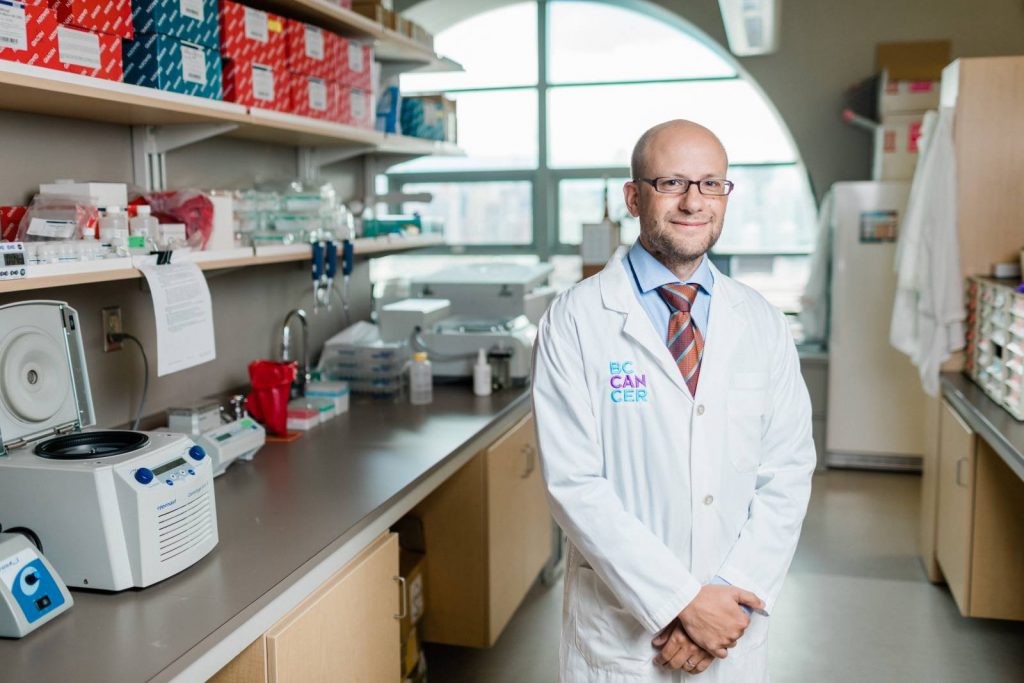
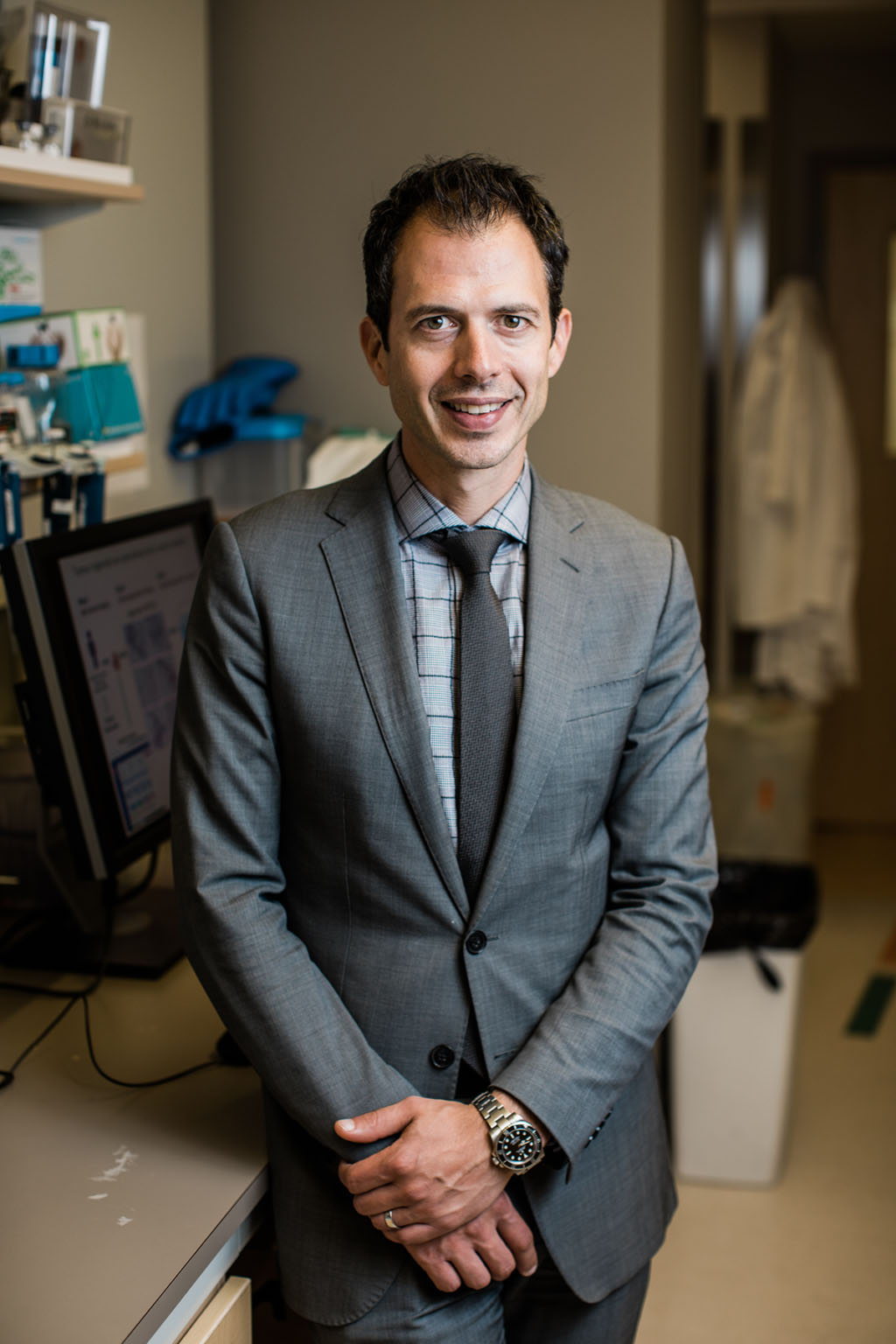
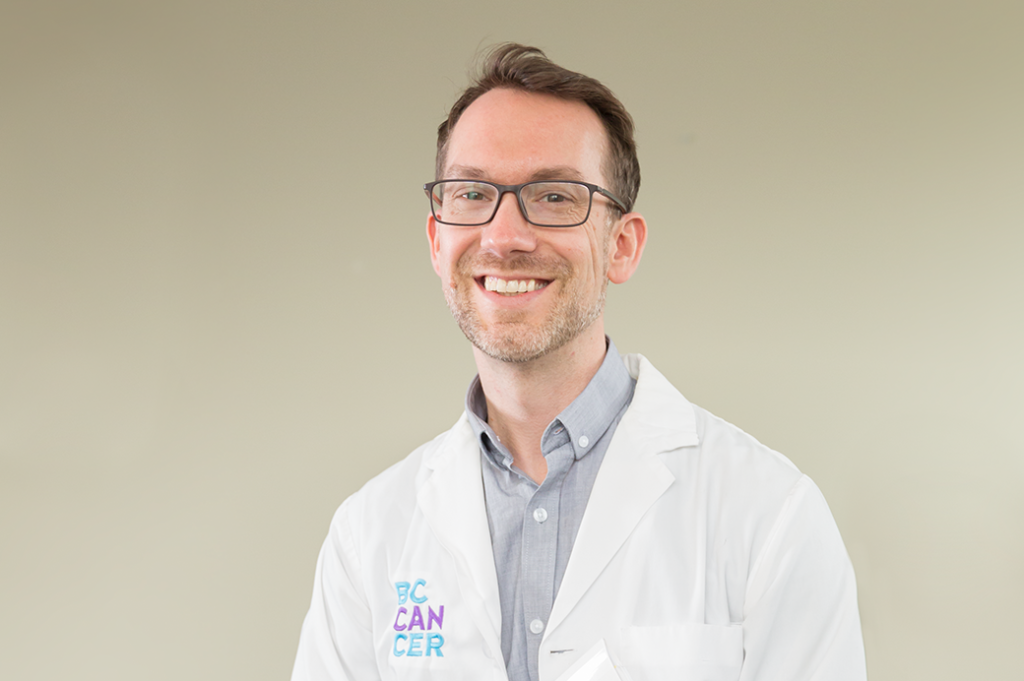
Dr. Brad Nelson is the Director of the Deeley Research Centre at the BC Cancer Agency’s Vancouver Island Centre. How did he choose a career in cancer research?
“I was completing my PhD in embryology when my wife and I learned about her mother’s ovarian cancer diagnosis. I was in shock – I had never been so close to cancer. I was surprised by the lack of effective early detection methods and effective treatments for advanced cancers such as hers. I made up my mind to pursue a career in cancer research.”
“Having taken several immunology seminars, I instinctively thought there must be a link between the immune system and cancer. I decided to undertake post-doctoral studies at the Fred Hutchinson Cancer Research Centre in Seattle, a leader in cancer immunology.“
“Being from Vancouver, I had always hoped to return to B.C. When the chance came in 2003 to become Director of the Deeley Research Centre and lead a new cancer immunology program, it was the opportunity of a lifetime for me. Now, the cancer immunology work that we do is internationally recognized and researchers are coming from across the world to study with us.”
“The BC Cancer Agency is an amazing organization and the Vancouver Island Centre is a perfect example of what it represents.”

You are here
Meet our Researchers
Our Researchers

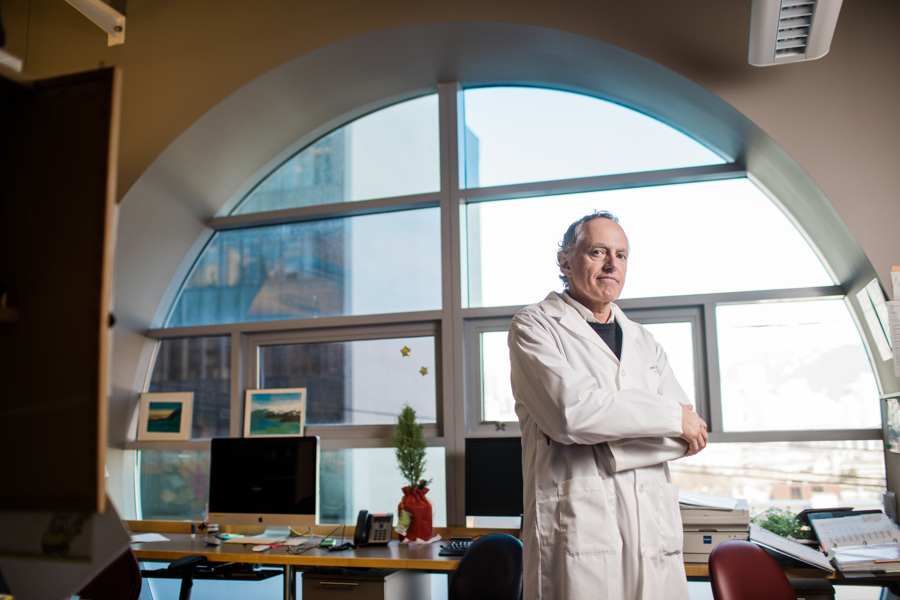
Dr. Huntsman is Professor, Pathology and Laboratory Medicine, UBC; Medical Director, Centre for Translational and Applied Genomics, BC Cancer Agency; Co-Founder and Acting-Director, OvCaRe; Co-Director, Genetic Pathology Evaluation Centre, VGH; Associate Director, Hereditary Cancer Program, BC Cancer Agency; and member of Vancouver Coastal Health Research Institute.
Dr. Huntsman was part of the team that discovered EMSY, a new gene related to ovarian cancer. His current focus of study is the genetic predisposition to ovarian cancer. His research focuses on understanding the molecular differences between the different ovarian cancer subtypes, which will hopefully lead to more specific treatments. Recently, he headed the research group that discovered a new mutation in a gene called FOXL2, which appears to be responsible for the development of granulosa cell tumours of the ovary.
Dr. Huntsman has active research programs in the development of predictive and prognostic tissue-based cancer biomarkers of a wide variety of tumour types as well as hereditary gastric cancer. As collaboration is critical in his field, Dr. Huntsman happily leads and engages in a wide number of multidisciplinary research groups.

Dr. Samuel Aparicio joined the BC Cancer Agency in 2005 to lead a program of basic and translational science in molecular oncology. He was also appointed as the Nan and Lorraine Robertson Breast Cancer Chair at the BC Cancer Agency.
Dr. Aparicio is an MD-PhD physician-scientist. He graduated in internal medicine and pathology from Cambridge and Oxford universities in the UK. Dr. Aparicio’s contributions to science have spanned research in fundamental aspects of genomics, evolution and the application of genomics and genetics to understanding disease.
Dr. Aparicio’s contributions to academic research have been widely published in primary scientific and clinical journals such as Nature, Science, Cell and the New England Journal of Medicine.

Dr. Nelson is a native of Vancouver BC. He received a BSc from the University of British Columbia in 1987 and a Ph.D. from the University of California at Berkeley in 1991. He completed postdoctoral training and held faculty positions at the Fred Hutchinson Cancer Research Center and University of Washington in Seattle before moving his lab to the Benaroya Research Institute in Seattle in 1997. In July 2003, he became the founding Director of the BC Cancer Agency's Trev & Joyce Deeley Research Centre in Victoria, BC. He is an Associate Professor of Medical Genetics at the University of British Columbia and holds adjunct appointments in the Departments of Biology and Biochemistry/Microbiology at the University of Victoria. Dr. Nelson’s lab studies the immune response to cancer, with an emphasis on ovarian, breast and prostate cancer.

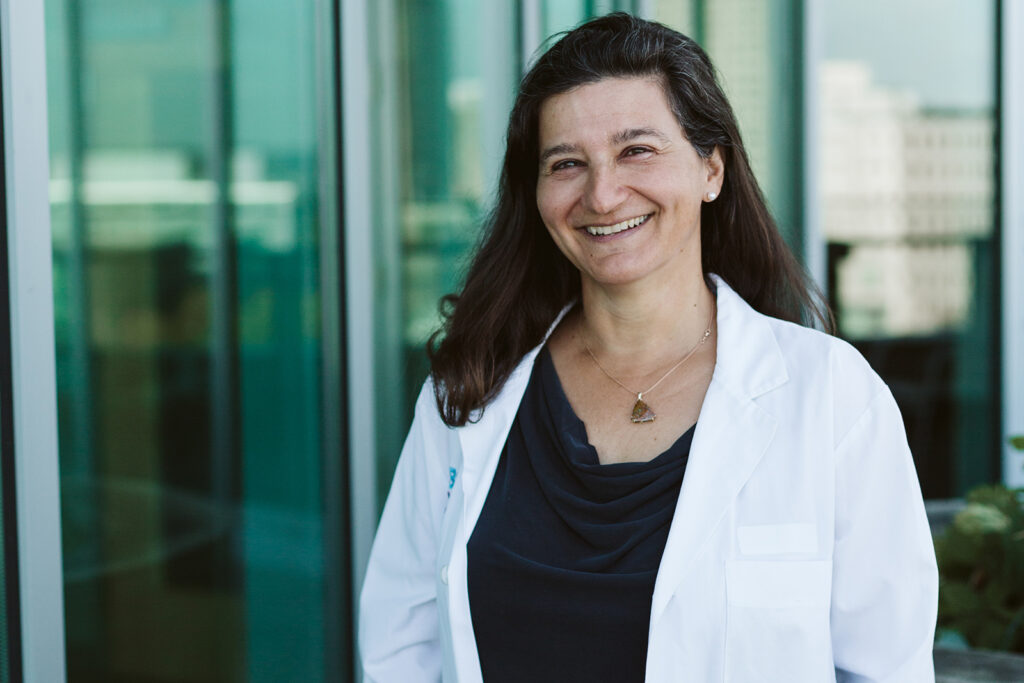
Dr. Sadar’s career in prostate cancer started at the BC Cancer Agency as a post-doctoral fellow in Dr. Nicholas Bruchovsky’s laboratory. Her research has focused upon discovering new treatments for advanced prostate cancer. Dr. Sadar recently developed an experimental drug that shrinks prostate cancer tumours in the lab and is the first drug in the world that targets the “engine” of the tumour that causes the cancer to grow.
Dr. Sadar is the author of over 50 peer-reviewed publications, has served on more than 30 scientific panels, and has been a recipient of several prestigious awards, including the Terry Fox Young Investigator Award, Simon Fraser University Alumni Award for Academic Excellence. She is the first non-American to receive the Society of Women in Urology/Society of Basic Urologic Research Award for Excellence in Urologic Research.

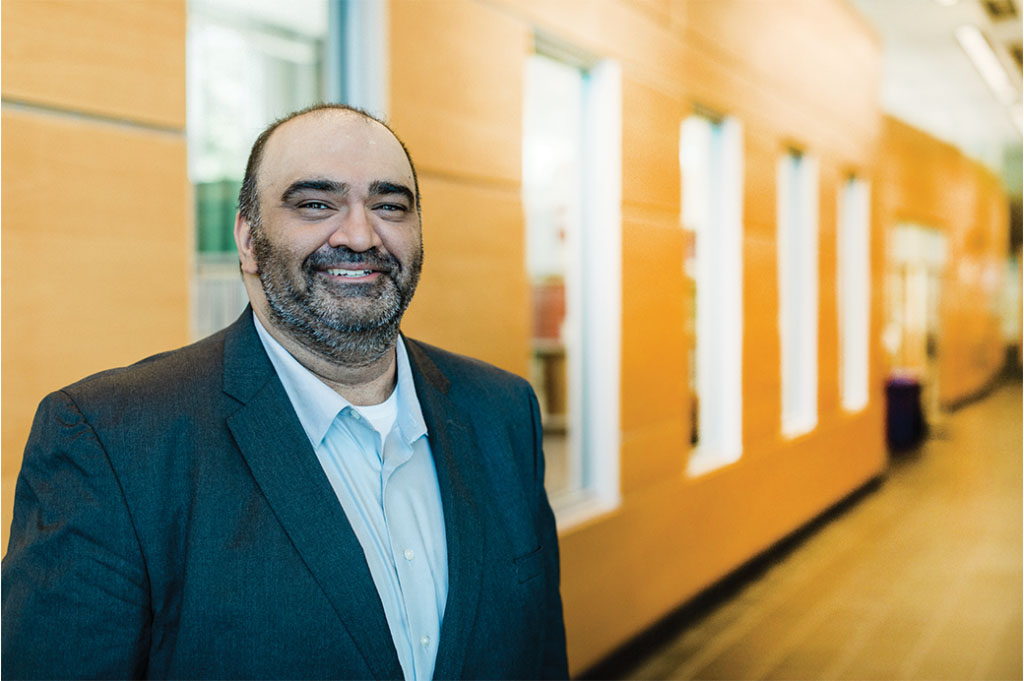
Dr. Marra completed his PhD in Molecular Genetics at Simon Fraser University in 1994 and subsequently spent five years as a post-doctoral fellow and research faculty instructor at Washington University in St. Louis. He has been involved in the development and application of efficient, high-throughput genomics approaches, with special emphasis on large-scale genome mapping and DNA sequencing, and has contributed to numerous international genomics initiatives. His current activities include the development and application of next generation sequencing approaches to characterize cancer genomes, with the aim of comprehensive identification of the genetic changes that drive cancer progression. With such changes in hand, a new generation of treatment strategies will emerge for the benefit of cancer patients.
Dr. Marra is a Professor at the University of British Columbia’s Department of Medical Genetics, and Adjunct Professor, Department of Molecular Biology and Biochemistry, Simon Fraser University. Dr. Marra is the UBC Canada Research Chair in Genome Science, and a member of the Order of British Columbia. He is a recipient of a 2010 Genome BC Award for Scientific Excellence. He was elected to the Canadian Academy of Health Sciences in 2009; received the Frontiers in Research Award from the BC Innovation Council in 2008; and was appointed a Fellow of the Royal Society of Canada in 2007. He was a recipient of a Distinguished Achievement Award from UBC, a MSFHR Career Investigator Senior Scholar Award, and Simon Fraser University President’s 40th Anniversary Award. In 2004, he received a Terry Fox Young Investigator Award and BC Biotech’s Innovation and Achievement Award (together with the entire GSC staff) for sequencing the SARS coronavirus genome. Dr. Marra’s contributions to genome science led to an honorary Doctor of Science degree from Simon Fraser University in 2004, and an honorary Doctor of Laws degree from the University of Calgary in 2005.

Dr. Bénard trained in medicine and nuclear medicine in Sherbrooke, Quebec. After undertaking a Research Fellowship in Positron Emission Tomography at the University of Pennsylvania, he is now the Head of Nuclear Medicine and Professor, Department of Radiology at the University of British Columbia, and holds the BC Leadership Chair in Functional Cancer Imaging at the University of British Columbia. He is also the Scientific Director of the Centre of Excellence for Functional Cancer Imaging at the BC Cancer Agency and a distinguished scientist at the BC Cancer Research Centre.
His research interests are in positron emission tomography (PET), nuclear medicine, and cancer imaging. His current projects relate to the development of new radiopharmaceuticals to image receptors and enzymes overexpressed in breast and prostate cancers, as well as to new isotope production methods.